
 By
By 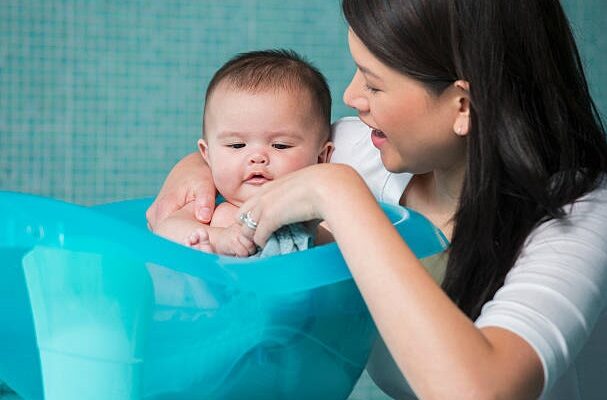
A baby’s comfort in water develops gradually, yet the moment genuine readiness appears is often easier to recognize than expected. Tiny shifts in behavior, steady curiosity, relaxed reactions, and controlled movements offer insight into how prepared they are. Families searching for infant swimming lessons in Alexandria, Kingstowne, VA often notice these signs right before considering formal instruction.
Early Interest in Water Play Becomes Steady and Focused
Water play often starts as splashing without purpose, but over time, babies begin engaging with intention. Hands linger on the surface longer, and they concentrate on how the water moves around them. That level of focus marks an early step toward readiness for structured infant swimming lessons because it shows the child is paying attention to cause and effect rather than reacting randomly. Another sign is the baby’s ability to maintain interest for longer periods. Instead of quickly turning away, the child watches water movements closely or repeats actions to see the result again. Those searching for infant swimming lessons near me often notice this shift just weeks before booking their first class.
Calm Reactions During Gentle Splashes and Face Wetting
A relaxed response to tiny splashes signals comfort that instructors look for in early swim programs. If a baby tolerates a bit of water on the cheeks or chin without surprise or distress, it indicates they’re developing healthy reactions to sensory changes. This calmness supports their ability to adjust to water-based cues during structured sessions.
Additional assurance appears when the baby allows light water to reach their forehead or nose without pulling back abruptly. While they don’t need to enjoy the sensation immediately, showing mild curiosity instead of discomfort signals readiness for infant swimming lessons in Alexandria, Kingstowne, VA, that introduce gradual water exposure.
Improved Neck Control During Supported Floating Time
Structured classes require enough neck strength to maintain stability during supported floating. When babies can hold their heads still for a few seconds at a time, they can safely join in. This neck control also allows instructors to introduce gentle back-floating positions without causing stress. Babies often begin relaxing into the support rather than fighting against it. Many families looking for infant swimming classes near me report noticing this shift right before enrolling.
Comfortable Separation from Parents in Short Intervals
Readiness for structured lessons also appears when a baby tolerates brief moments away from a caregiver’s arms. This doesn’t require full independence, just enough comfort that an instructor can guide them with gentle support. Calm behavior during these short transitions helps lessons flow smoothly.
Another sign is the baby’s willingness to let another trusted adult hold or guide them in the water. If they remain composed during these brief exchanges, Alexandria Kingstowne swimming lessons often become a positive experience from the very first session.
Steady Kicking Motions During Bath or Tub Play
Many babies naturally kick in water, but steady, purposeful kicking shows improved coordination. Those movements signal that the baby is learning how water reacts to motion, a skill instructors use to build swimming foundations. Even small, repetitive kicks help them adjust to structured guidance.
Caregivers often notice stronger leg movement during bath time before starting formal classes. That rhythm is a helpful indicator that the baby might be ready to respond to gentle prompts during infant swimming lessons.
Smooth Transitions Between Different Water Positions
A baby who moves comfortably from front-supported to back-supported positions demonstrates trust and adaptability. These transitions help build balance and allow instructors to introduce a range of activities without overwhelming the child. Smooth responses show that the baby feels secure in water and understands the new sensations.
This adaptability often manifests in small, everyday routines, such as rinsing or shifting positions during bathing. Those subtle cues often mean the baby will handle transitions during structured infant swimming lessons near me with ease.
Curiosity Toward Pool Sounds, Movement, and Activity
Readiness doesn’t only show in the water; it also appears in how babies react to the pool environment. Sounds of splashing, echoes, and movement often draw their attention rather than startle them. This curiosity indicates the sensory environment isn’t overwhelming.
Some babies even lean toward the noise or follow pool activity with their eyes. These reactions suggest they may feel more comfortable in Alexandria Kingstowne swimming lessons than their caregivers expect.
Consistent Engagement During Simple Water Routines
Engaged behavior during simple routines like pouring water over arms or guiding hands across the surface signals readiness for more structured instruction. Attention spans grow, and babies begin anticipating familiar patterns. This increased engagement supports learning in group or individual infant swimming lessons. Once these behaviors become consistent, babies often adapt quickly to instructor-led routines.












Comments